Private Investigation
Genre: installation
Date: 2026
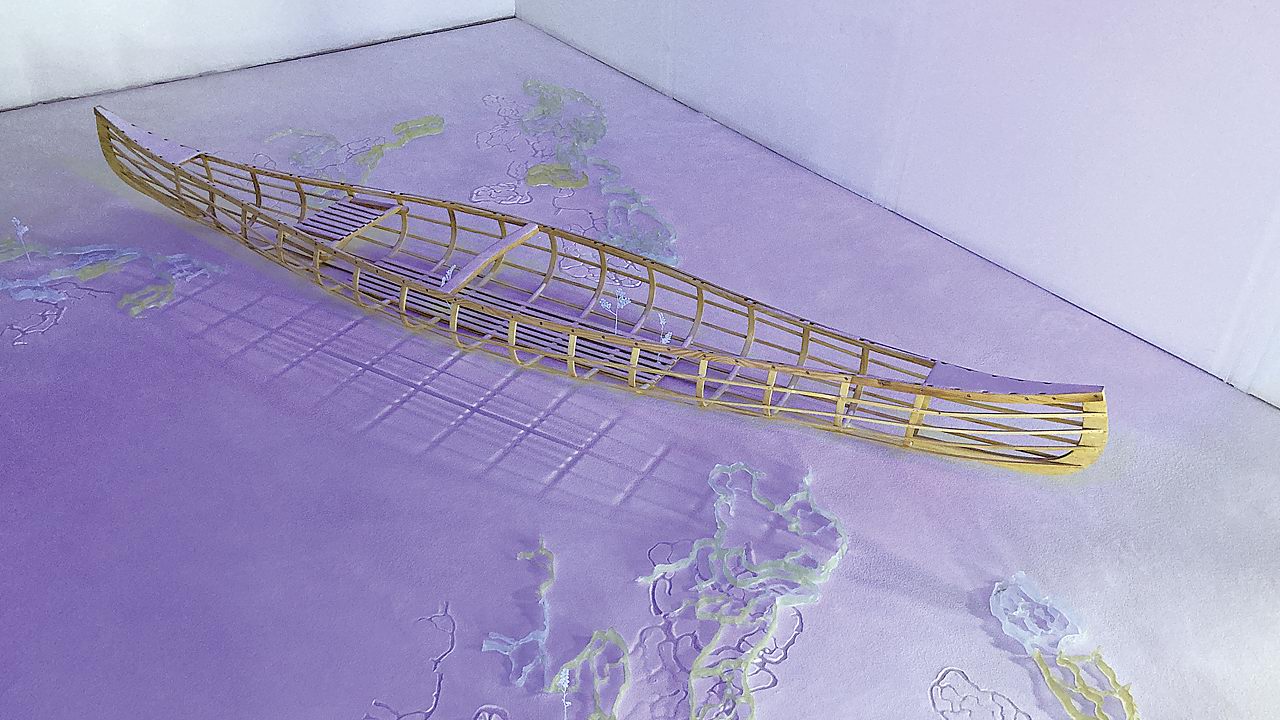
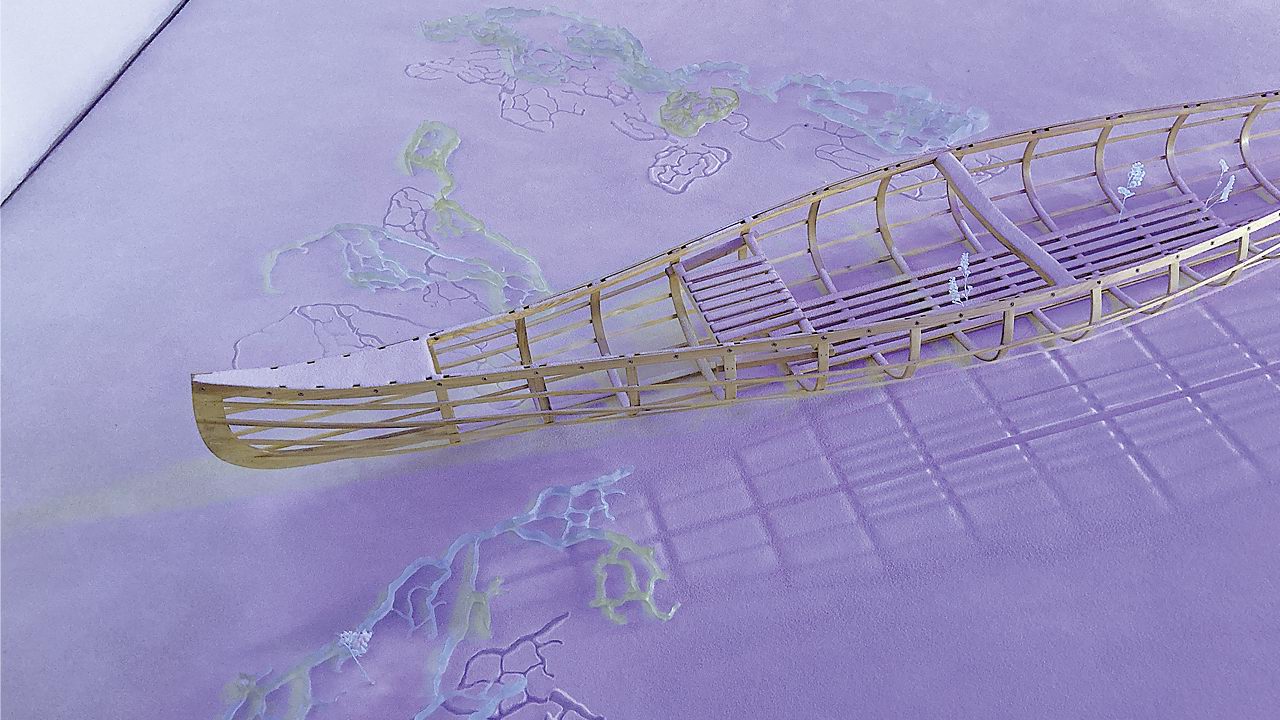
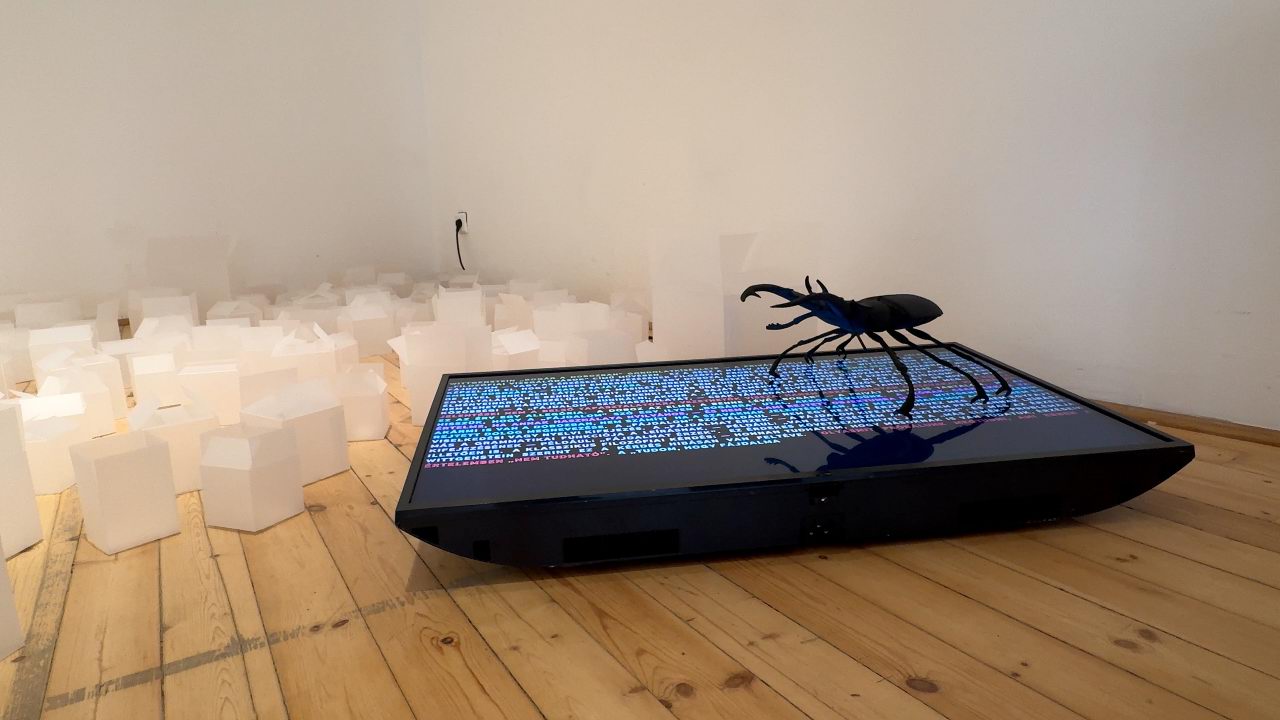
~ 800 x 350 x 110 cm
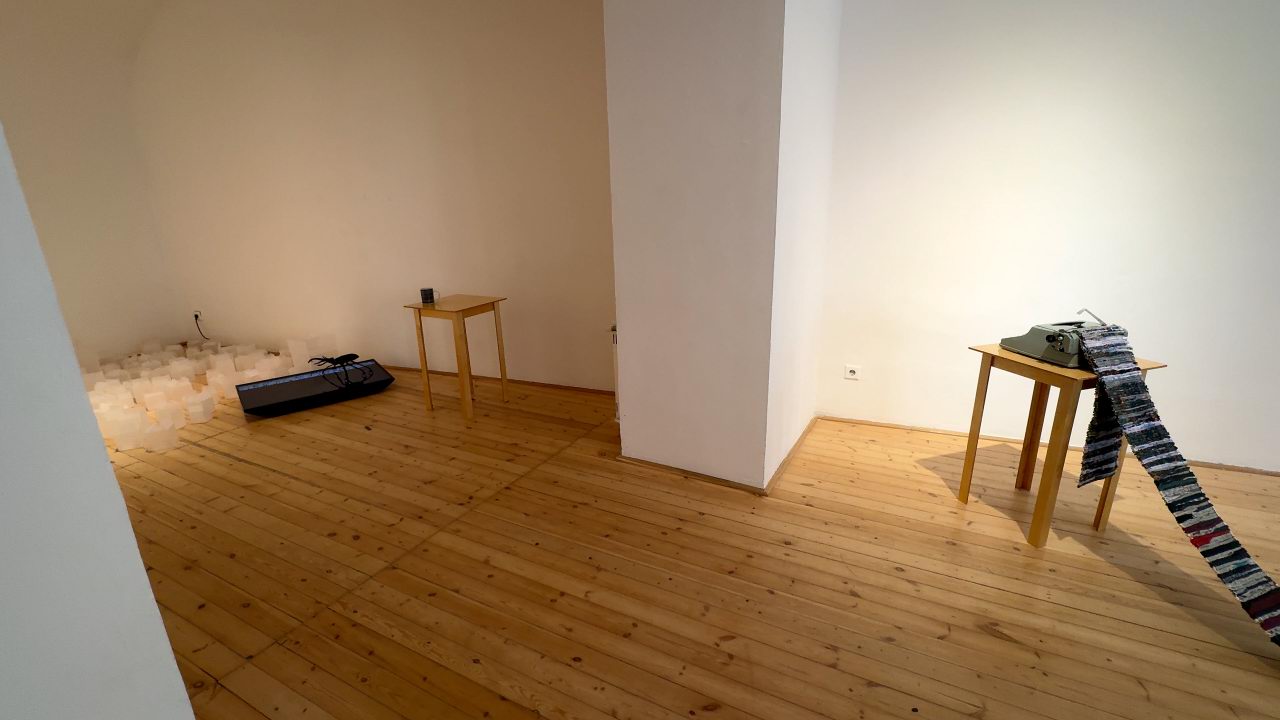
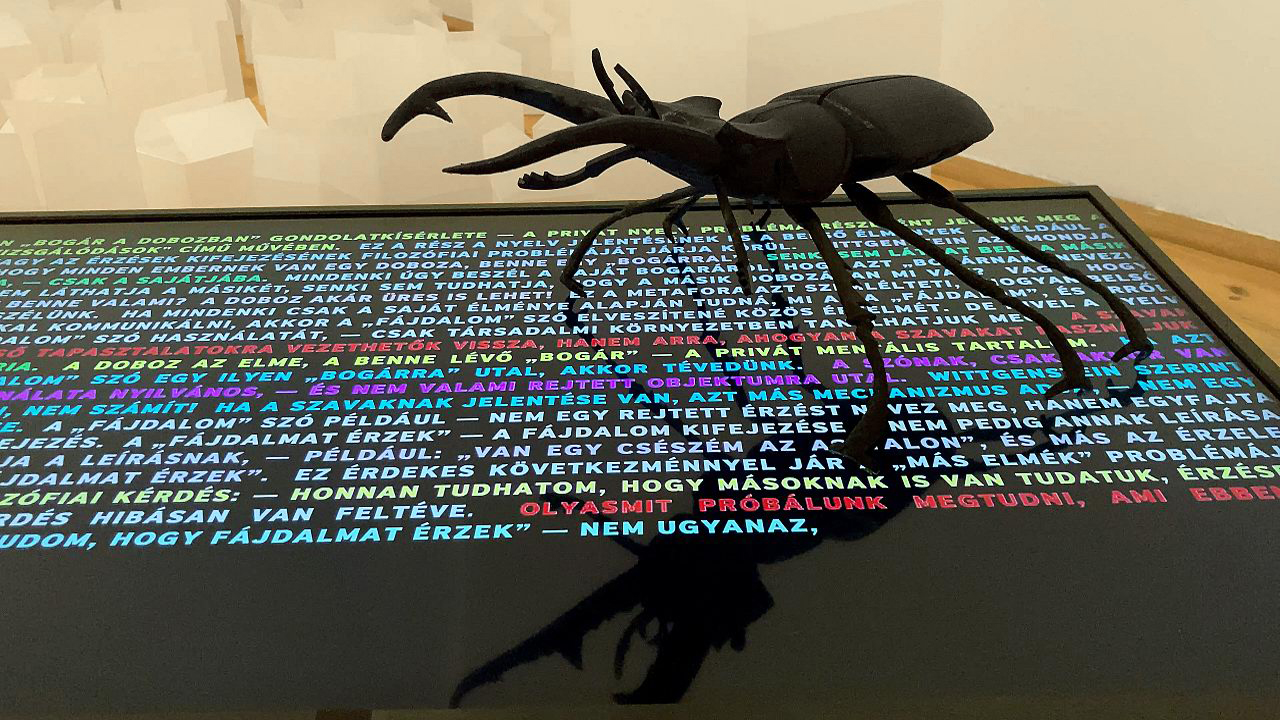
Materials: typewriters, wood, rag rugs, plastic, monitors, 3D print
Location: Patika Gallery, Budapest, Hungary
Photo: Máté Kovács, Joseph Tasnádi
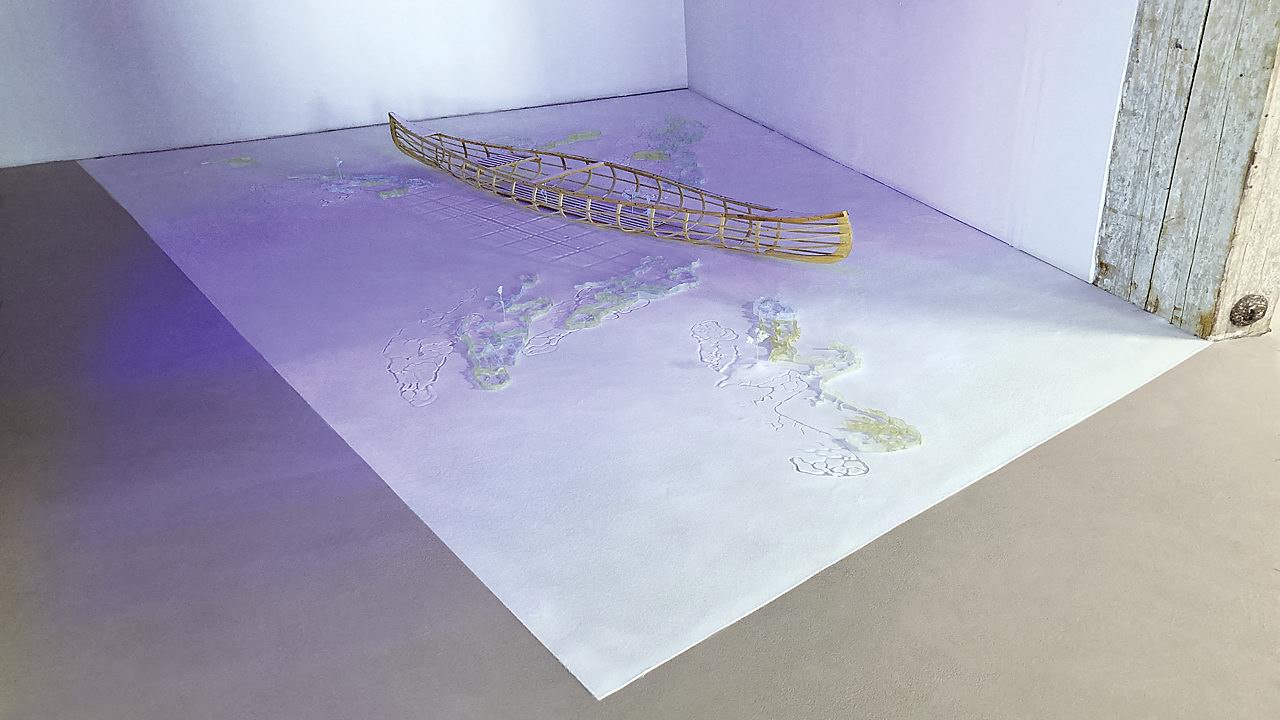
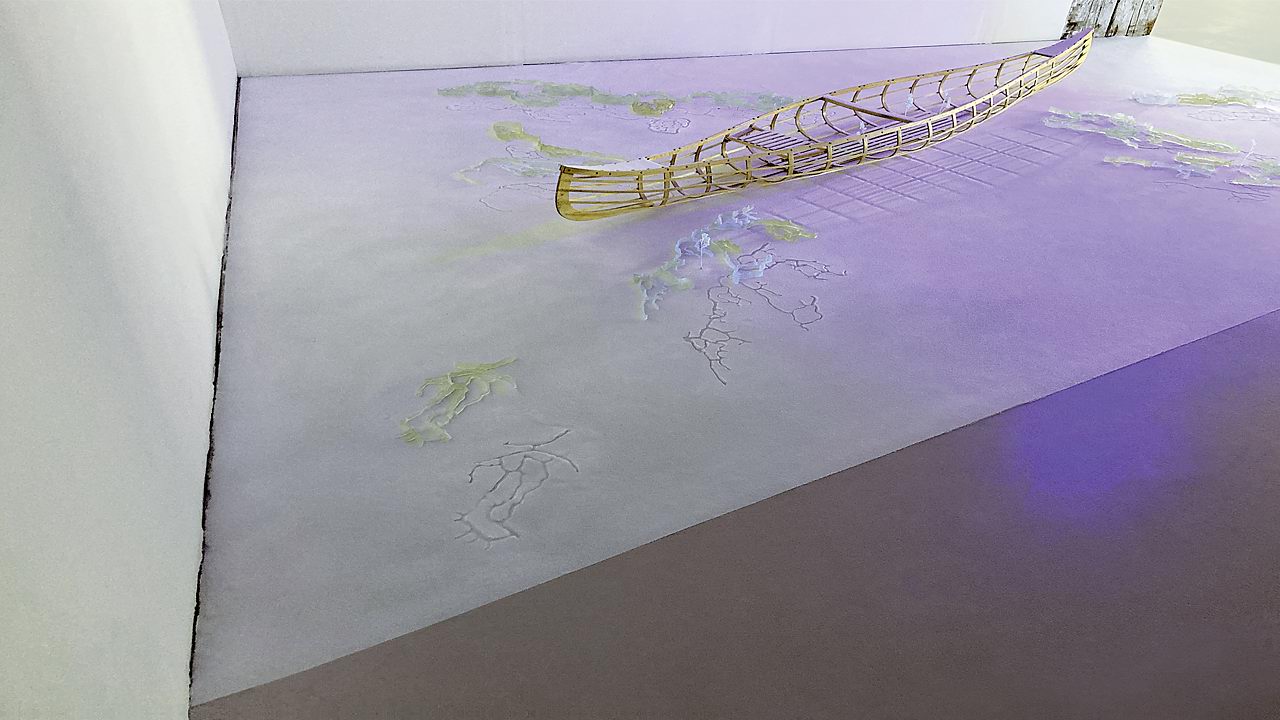
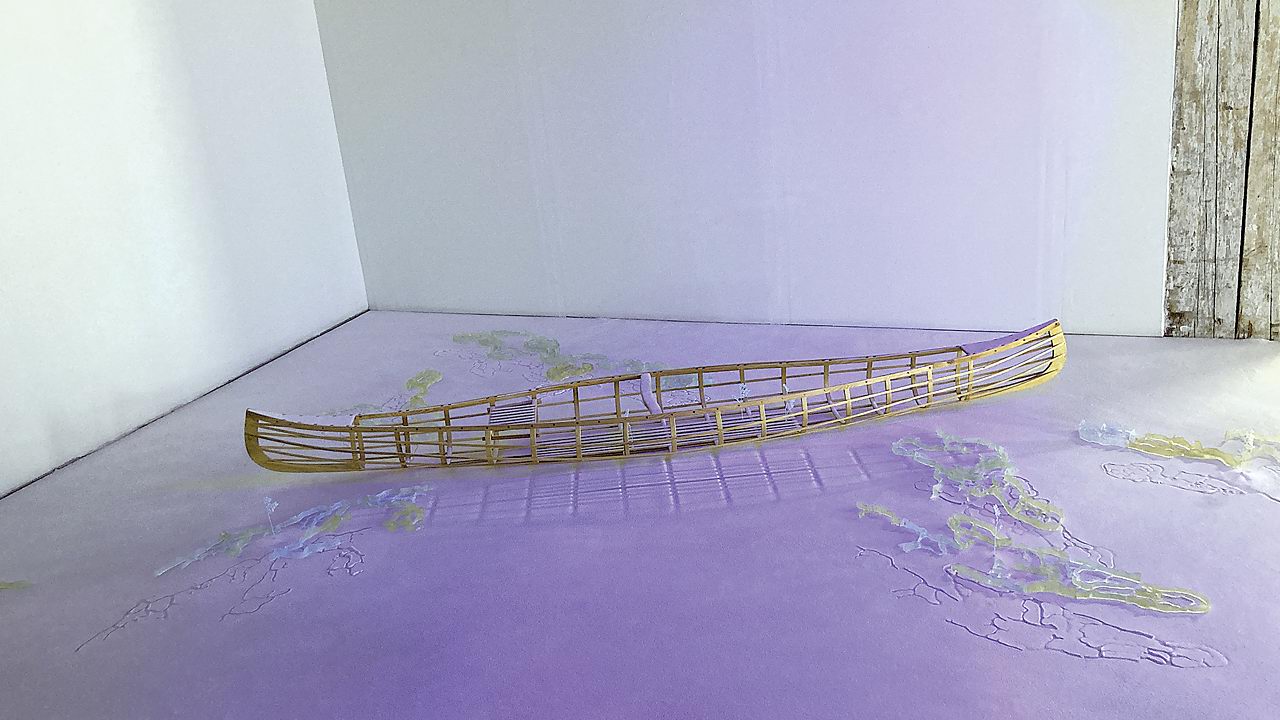
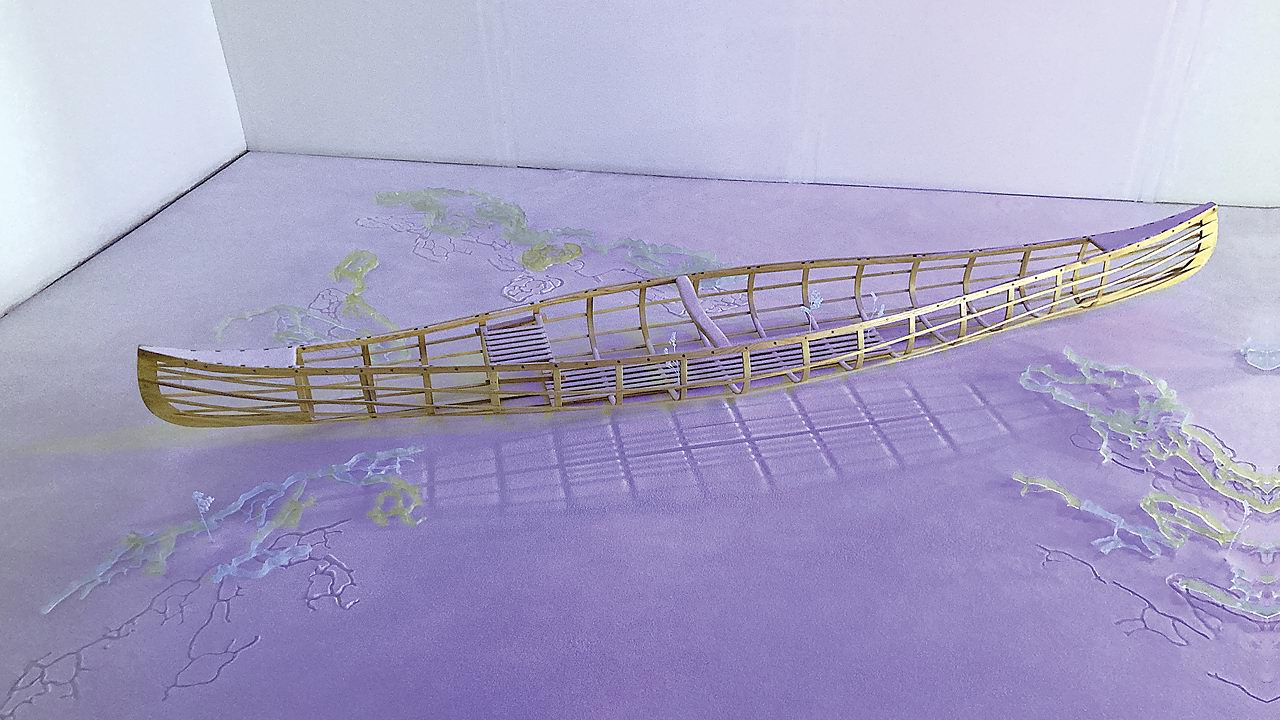

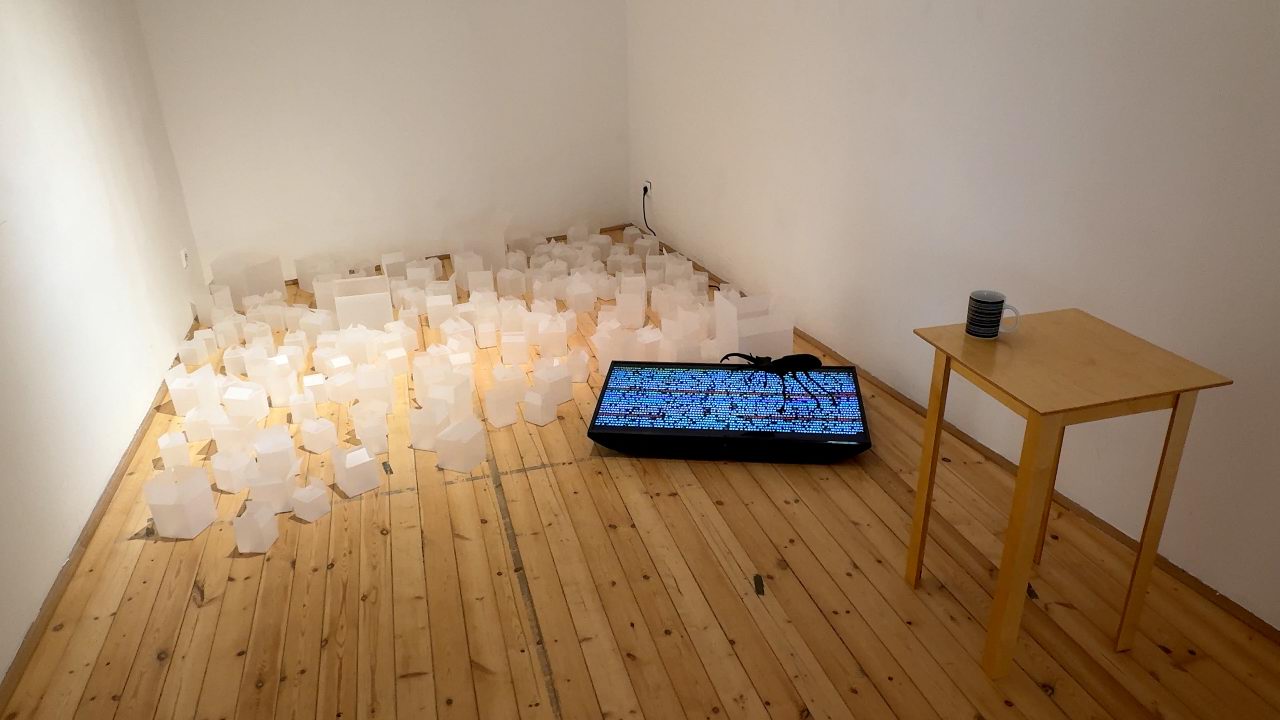
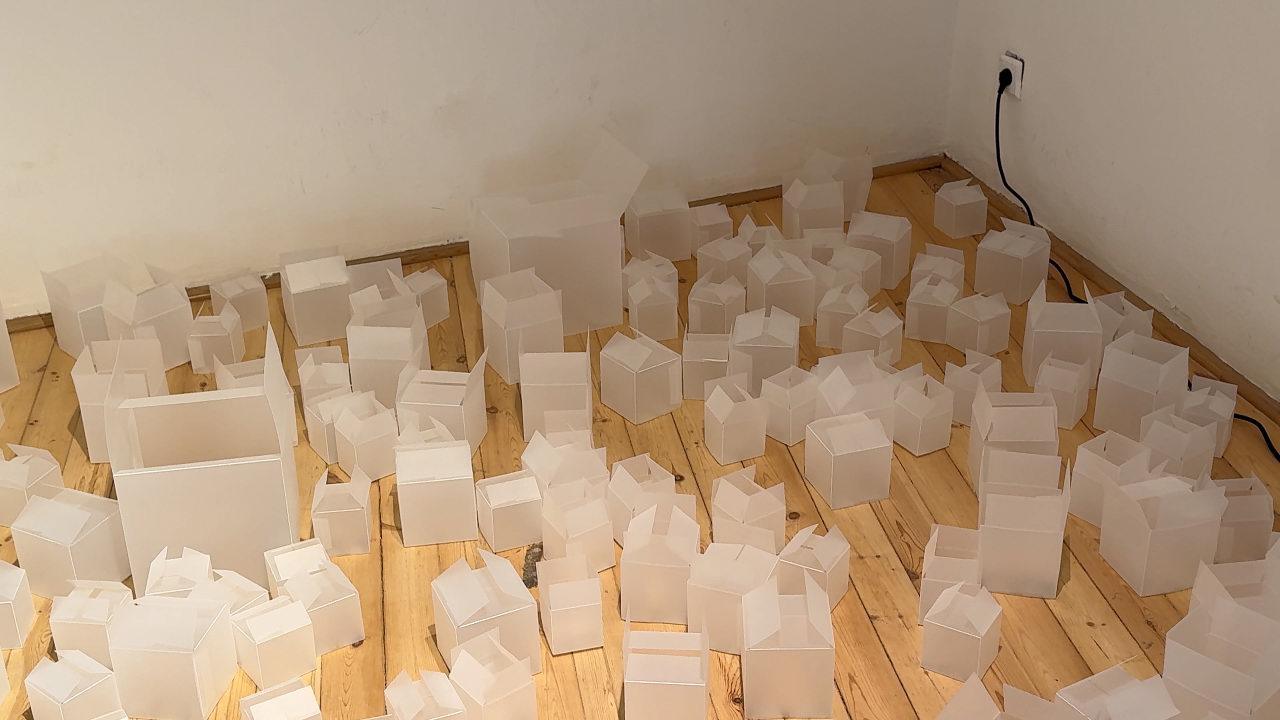
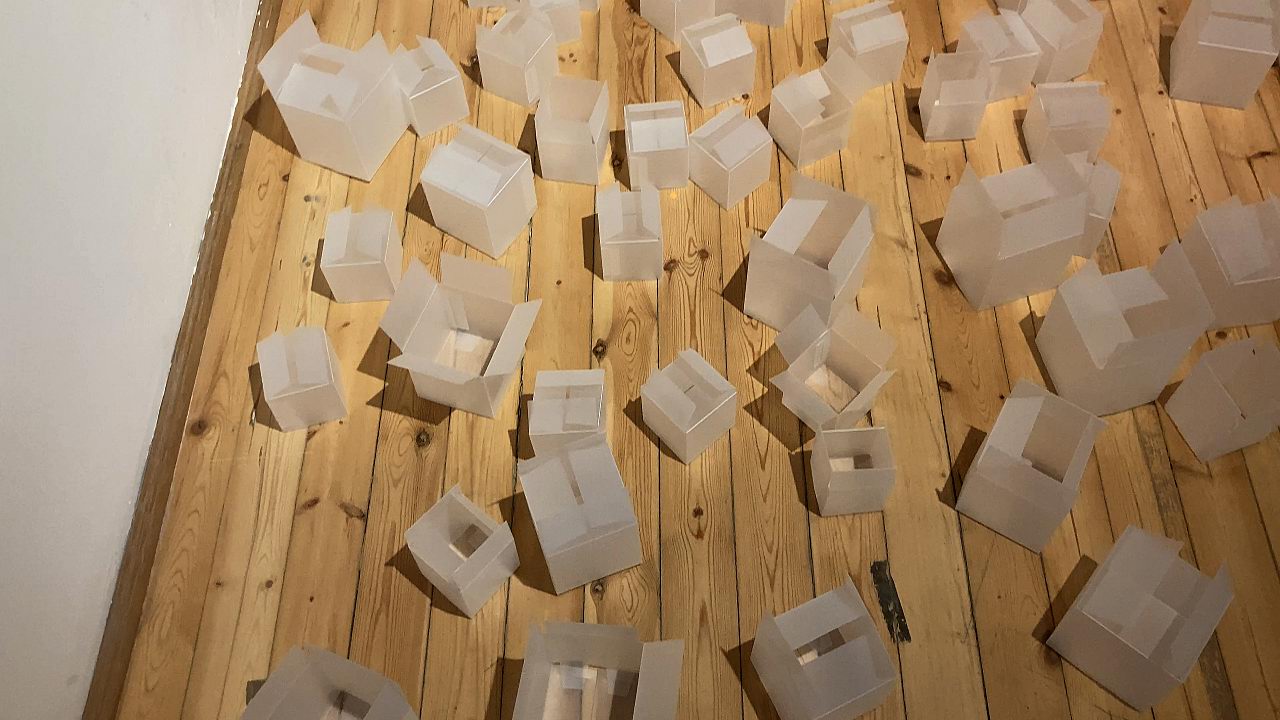
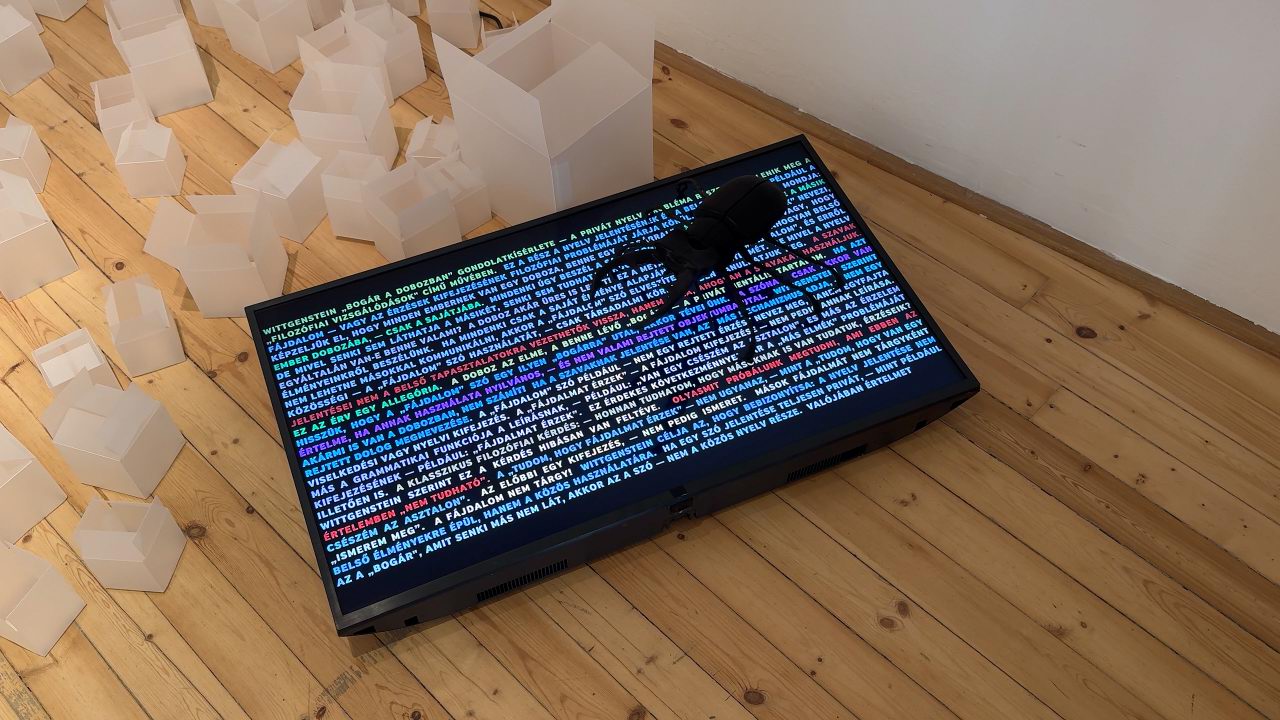
PRIVATE INVESTIGATION
It may seem like a heretical thought when I say that, just like nature itself, the visual has no semantics, no universally inherent meaning. At least not in the sense in which we use that term with regard to spoken or written language.
But what is language, really? What is required for something to be considered a language? What makes language meaningful in the first place? Language cannot be merely a private event, because its meaning is fundamentally a public phenomenon. Language is a social activity. Its meaning is not grounded in inner experiences but in its use. There is no language outside of life. Outside of life, words are nothing but noises.
On the other hand, a completely private language cannot meaningfully exist. Introspection cannot serve as the foundation of meaning. If a single person is both the sole user and sole judge of a language, then there is no genuine meaning. If the meaning of a word is entirely private, then that word is not part of a shared language. In fact, it is meaningless.
Perhaps this is the most tangible reason for, and explanation of, the enduring need for visual expression. The visual arts exist because there are things for whose expression words or writing are insufficient.
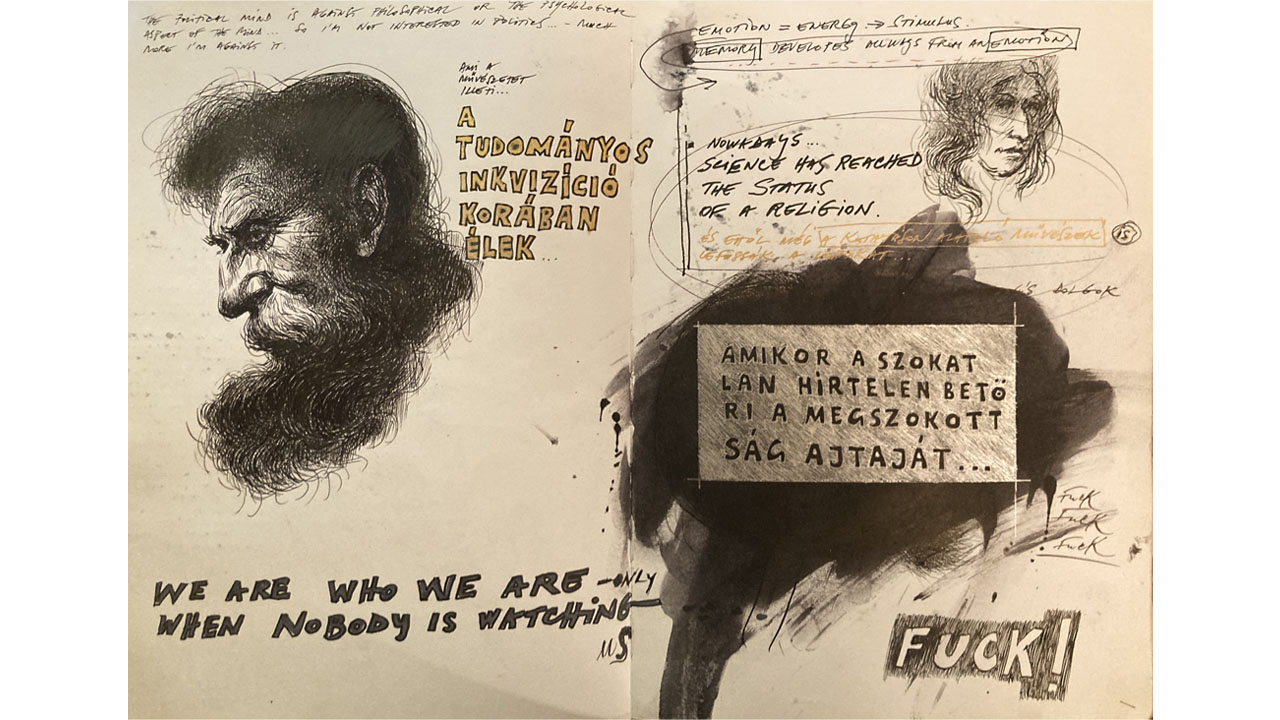
Private Investigation is an experiment that attempts to condense within itself the fundamental conflict between the verbal (the logical, the comprehensible) and the nonverbal (the unsayable, the intuited), the contradictions between metaphorical and practical modes of thought, as well as the illusion that these oppositions might be reconciled.
It is obvious, yet nevertheless interesting, that both philosophy and the visual arts concern themselves with the unsayable – that is, with the limitations of linguistic logic. Continuously and in every respect, they demonstrate that the unsayable exists.
It is also interesting how long it took for philosophy, through Wittgenstein, to articulate that human existence is fundamentally a linguistic question. Everything begins with language and ultimately returns to it.
Freely inspired by Ludwig Wittgenstein
*********
PRIVÁT NYOMOZÁS
Eretnek gondolatnak tűnhet, ha azt mondom: akárcsak a természetnek – úgy a vizuálisnak sincs szemantikája, általánosan inherens jelentése. Legalábbis abban az értelemben nem, ahogyan
a beszélt vagy írott nyelv vonatkozásában használjuk azt.
De mi is valójában a nyelv? Mi kell ahhoz, hogy valamit nyelvnek tekinthessünk? Mi teszi a nyelvet egyáltalán értelmessé? A nyelv nem lehet pusztán privát esemény, mivel a jelentése alapvetően nyilvános jelenség. A nyelv társas tevékenység!A nyelv jelentése nem belső élményekre épül, hanem a használatára. Nincs nyelv az életen kívül! Az életen kívül a szavak, csak zajok!
Másrészt – nem létezhet értelmes, teljesen privát nyelv. Az introspekció nem lehet a jelentés alapja. Ha egyetlen ember a nyelv használója és egyben bírája is, akkor nincs valódi jelentés. Ha egy szó jelentése teljesen privát, akkor az a szó nem része a közös nyelvnek. Valójában értelmetlen.
Talán ez a legkézzelfoghatóbb oka és magyarázata a mindenkori vizuális kifejezés igényének. A vizuális művészetek azért vannak jelen, mert vannak dolgok, amelyeknek kifejezéséhez a szó- vagy az írásbeliség – nem elégséges.
A Privát nyomozás olyan kísérlet, amely megpróbálja egyszerre magába sűríteni a verbális (a logikus, az érthető) és a nonverbális (a kimondhatatlan, a megérzett) alapkonfliktusát, a metaforikus és a gyakorlati gondolkodás ellentmondásait, de ezek összebékítésének illúzióját is.
Nyilvánvaló, – mégis érdekes, – hogy úgy a filozófia, mind a képzőművészet a kimondhatatlannal, vagyis a nyelvi-logika limitációival foglalkozik. Folyamatosan és minden vonatkozásban bizonyítják, hogy a kimondhatatlan létezik.
Az is érdekes, hogy milyen sokáig tartott, hogy a filozófia – Wittgenstein révén – kimondja, hogy az emberi lét alapvetően nyelvi kérdés. Minden a nyelvből indul ki és oda is tér vissza.
Wittgenstein Ludwig nyomán szabadon